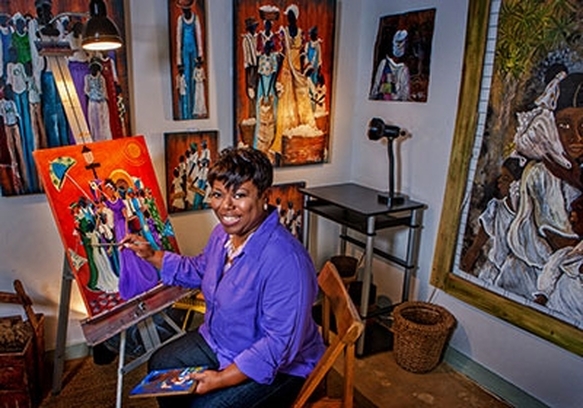
Sonja Griffin Evans is an internationally acclaimed cultural heritage artist and veteran born and raised in Beaufort, South Carolina. Having grown up in the Lowcountry region, which prides itself on preserving culture and heritage,Evans' artwork has been heavily influenced by exploring the beauty, spirituality, and authentic representations of Gullah Sea Islands and African American culture. As a professional prolific mixed media artist, Evans is a self-taught artist who has developed her skills through extensive independent study. She is considered as one of America’s leading working artists today. Evans is adept at painting vibrantly colored pieces on canvas in the traditional Gullah style; however, she enhances these masterworks by applying texture to the surface and utilizing a masterful selection of hues to convey depth and emotion. Evans thoughtfully expresses her culture in its purest, most authentic form. Evans further notes that while she wields the paintbrush, God ultimately brings the art to fruition.
Evans has earned renowned as a master storyteller through her artwork, which vividly portrays important historical and cultural events, figures, and places in a way that elicits emotion. Evans' artwork continues evolving through her deft use of color and perspective in each piece. Each features a story or inspirational quote meant to provide spiritual and cultural insight, making them highly sought after by collectors.
Artist Sonja Griffin Evans' work is regularly featured documenting African American history, culture and heritage. This includes history textbooks, award-winning documentaries and materials from the National Park Service. Her painting "Mine Eyes Have Seen the Glory" was recently dedicated at the Reconstruction Era National Historic Park site in Beaufort, South Carolina. The painting appears on the cover of the park's foundation document. This landmark park helps tell the story of America's Reconstruction period after the Civil War and the Freedmen's Bureau's efforts to assist newly-freed enslaved people. Through collaborations with leading educational, governmental institutions, and communities, she ensures important Black history narratives reach new audiences.
Evans has received numerous prestigious awards and honors over the years, including the 2013 African Diaspora World Tourism Flame Keepers Award and the Mamie Till Mobley Woman of Courage Award among other accolades. As a sought-after speaker and advocate for the arts, Evans' work has been featured on television, radio broadcasts, and in numerous publications such as the DuPont Registry, Aspire Design and Home Magazine, Black Southern Belle, Hilton Head Monthly and more. Her innumerable exhibitions include an invitational solo three-city tour of France. Evans' pieces reside in esteemed galleries, private and corporate collections around the world.
Evans has earned renowned as a master storyteller through her artwork, which vividly portrays important historical and cultural events, figures, and places in a way that elicits emotion. Evans' artwork continues evolving through her deft use of color and perspective in each piece. Each features a story or inspirational quote meant to provide spiritual and cultural insight, making them highly sought after by collectors.
Artist Sonja Griffin Evans' work is regularly featured documenting African American history, culture and heritage. This includes history textbooks, award-winning documentaries and materials from the National Park Service. Her painting "Mine Eyes Have Seen the Glory" was recently dedicated at the Reconstruction Era National Historic Park site in Beaufort, South Carolina. The painting appears on the cover of the park's foundation document. This landmark park helps tell the story of America's Reconstruction period after the Civil War and the Freedmen's Bureau's efforts to assist newly-freed enslaved people. Through collaborations with leading educational, governmental institutions, and communities, she ensures important Black history narratives reach new audiences.
Evans has received numerous prestigious awards and honors over the years, including the 2013 African Diaspora World Tourism Flame Keepers Award and the Mamie Till Mobley Woman of Courage Award among other accolades. As a sought-after speaker and advocate for the arts, Evans' work has been featured on television, radio broadcasts, and in numerous publications such as the DuPont Registry, Aspire Design and Home Magazine, Black Southern Belle, Hilton Head Monthly and more. Her innumerable exhibitions include an invitational solo three-city tour of France. Evans' pieces reside in esteemed galleries, private and corporate collections around the world.
Congressman James E. Clyburn
|
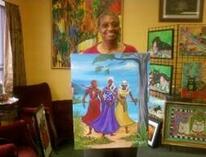
Dr. Alexa Canady/First African American and Woman Neurosurgeon
|
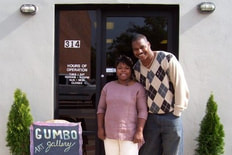
Derrick Brooks
NFL Player Tampa Bay |
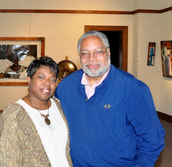
Lonnie Bunch
14th Secretary of the Smithsonian |
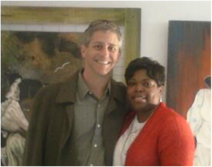
Mayor David Bennett
Hilton Head Island, SC |
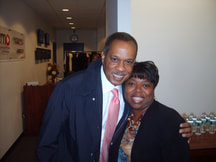
Juan Williams
FoxTV |
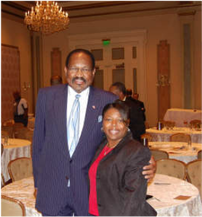
Al Bell
Stax Records |
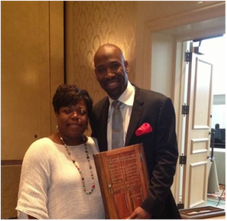
J. Alexander Martin
Co-founders of FUBU Corporation |
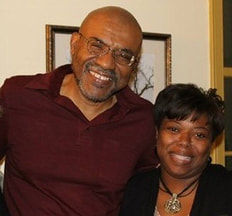
Kwame Dawes
Emmy Winning Poet/Author |
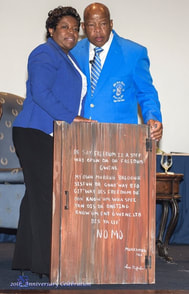
Congressman John Lewis
|
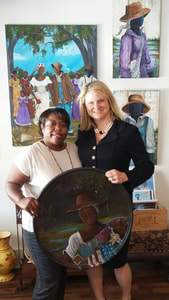
SC Representative
Jenny Horn |